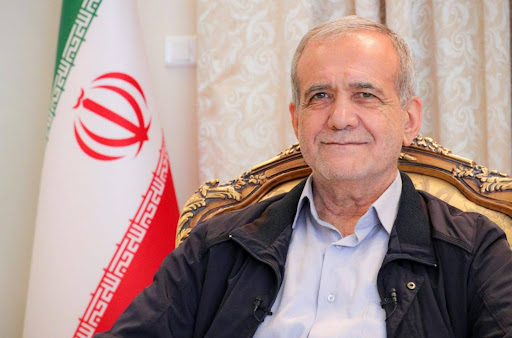
As the Iran-US conflict marks its first month with no resolution in sight, Iranian President Masoud Pezeshkian is intensifying diplomatic pressure on Gulf nations. Using X to broadcast his message, Pezeshkian demanded that these governments stop providing American and Israeli forces with the operational territory they need to attack Iran. The appeal was framed as a matter of regional survival and self-interest for Gulf states.
The conflict has had concrete consequences across the Gulf. Iran has struck locations inside Saudi Arabia, the UAE, Kuwait, Qatar, and Oman as retaliation for operations traced to American bases on their soil. These governments now face pressure from both Tehran and their domestic populations demanding an explanation for the violence on their soil.
Pezeshkian’s X statement reaffirmed Iran’s military doctrine: never the first to strike, but unwavering in its response to attacks on infrastructure or economic targets. He then appealed to Gulf leaders to make a strategic choice aligned with their own long-term interests, arguing that security cannot coexist with hosting an enemy-run war. The message was designed to resonate with pragmatic calculation more than ideology.
Pakistan’s role as a trusted neutral mediator has grown considerably during this conflict. Prime Minister Sharif confirmed that his conversation with Pezeshkian centered on the theme of trust as the essential foundation for any negotiations. Iran praised Pakistan’s diplomatic efforts and indicated support for Islamabad’s ongoing mediation.
Pakistan is currently hosting a multilateral summit featuring foreign ministers from Saudi Arabia, Egypt, and Turkey. Pakistan’s foreign minister Ishaq Dar is facilitating the discussions, which officials say cover the full range of de-escalation options. The summit is the most significant diplomatic gathering focused on this conflict to date.