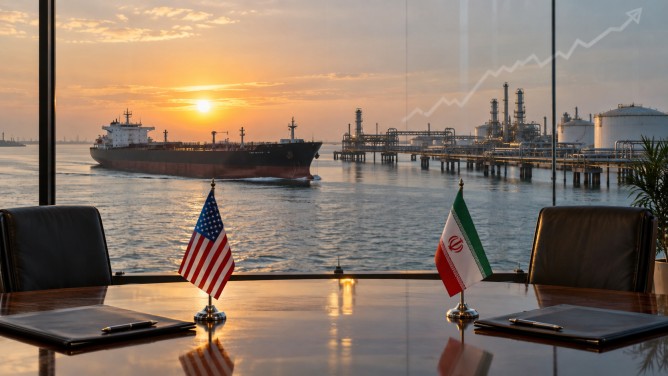
The recent uptick in oil prices could have significant implications for global markets, as Brent crude and West Texas Intermediate (WTI) crude both saw increases of 1.7% after a streak of losses. This development comes amid anticipation of potential diplomatic talks between the United States and Iran during the United Nations General Assembly in New York, which could impact international relations and energy trade dynamics.
Brent crude futures for November delivery climbed to approximately $102 per barrel, while October’s WTI crude rose to nearly $97 per barrel. These increases reflect the market’s sensitivity to geopolitical factors, particularly the possibility of a meeting between U.S. President Donald Trump and Iranian President Masoud Pezeshkian, which could signal a shift in U.S.-Iran relations.
Adding to the complexities in the oil market are ongoing tensions in the Middle East. Despite some relief from increased Saudi Arabian shipments through the Strait of Hormuz, regional instability persists. The Houthi movement in Yemen, aligned with Iran, continues its attacks, contributing to uncertainty. China has urged Iran to help mitigate these tensions, highlighting the broader international concern over stability in the region.
Compounding the situation, an armed group’s interference with Libya’s Sharara oilfield has resulted in a significant production drop of approximately 200,000 barrels per day. This disruption underscores the fragility of global oil supplies, which remain vulnerable to regional conflicts and political maneuvering.
As these developments unfold, market participants are keeping a close watch on the diplomatic front. The outcomes of the UN General Assembly discussions could have far-reaching impacts on oil prices and the broader geopolitical landscape, influencing energy markets and international relations in the months ahead.