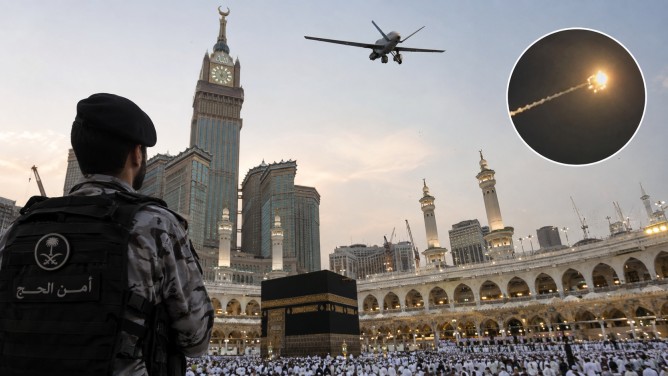
The interception of a Houthi drone by Saudi Arabia’s air defenses underscores the ongoing security threats faced by the kingdom, particularly concerning the safety of Mecca, one of Islam’s holiest cities. The drone was destroyed on September 15 before it could penetrate the restricted airspace over Mecca, a move that highlights the persistent risk of Houthi attacks as regional tensions remain high.
The Saudi-led coalition, represented by spokesperson Turki al-Malki, reiterated its commitment to safeguarding the two holy mosques and the millions of pilgrims who visit them each year. Al-Malki emphasized that the security of these sites is a “red line” for Saudi Arabia and promised that the coalition would take necessary measures to prevent future incidents. This latest attempt follows a similar incident in 2017 when a ballistic missile was reportedly aimed at Mecca.
Despite these claims, the Houthi group has denied any attempt to target Mecca. Houthi spokesperson Hazem al-Assad refuted the Saudi allegations, asserting that their forces had not directed any military action towards the holy city. This denial, however, has done little to ease regional concerns about the potential for further escalations.
The Organisation of Islamic Cooperation (OIC) has condemned the reported drone attack, expressing strong support for the protection of Mecca, Medina, and other sites significant to the Islamic faith. The OIC’s condemnation reflects the broader Islamic world’s sensitivity to threats against these religious landmarks.
This incident occurs amid a backdrop of increased security alerts across Saudi Arabia, as well as a rise in the frequency of attacks involving Houthi forces. As the conflict in Yemen continues to simmer, the potential for further drone or missile attacks remains a critical concern for regional stability and the safety of millions of pilgrims visiting the holy sites.