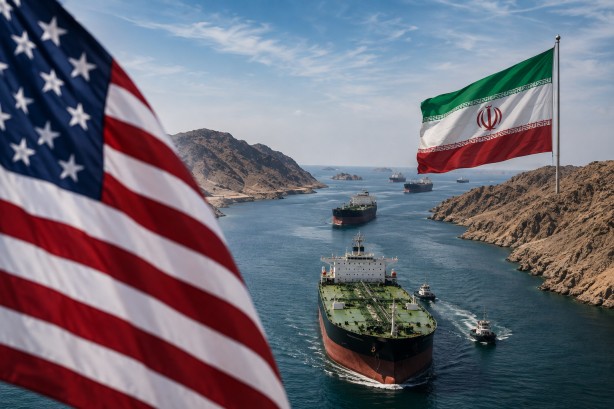
Negotiations between the United States and Iran regarding the reopening of the Strait of Hormuz are reportedly making headway, with a potential agreement anticipated within the next day or two. US Treasury Secretary Scott Bessent has expressed optimism about reaching a breakthrough, indicating that commercial vessels could soon pass through this crucial maritime passage without incurring tolls, thereby maintaining freedom of navigation.
Qatar, playing a significant role as a mediator in these discussions, has confirmed that a de-escalation framework proposal is currently being circulated among the involved parties, as diplomatic efforts persist. The Strait of Hormuz is a vital corridor for global oil and energy transportation, and its disruption due to regional tensions has had considerable economic impacts. The prospect of an agreement has already led to a decrease in oil prices, and analysts predict further declines should normal shipping operations resume.
President Donald Trump recently announced he had delayed planned military actions against Iran to give negotiations a chance to succeed. He emphasized that any forthcoming agreement should ensure the reopening of the Strait of Hormuz and include measures that address concerns over Iran’s nuclear program. The strategic waterway has been at the center of previous agreements that failed, primarily due to disagreements on shipping routes, which reignited tensions.
Efforts to restore maritime traffic and enhance regional stability are now the focus of negotiators working towards a new accord. A previous US-Iran understanding to open the strait fell apart, but renewed talks aim to overcome past obstacles and achieve a lasting resolution. As discussions continue, the outcome of these negotiations remains pivotal for the region’s economic and geopolitical landscape.