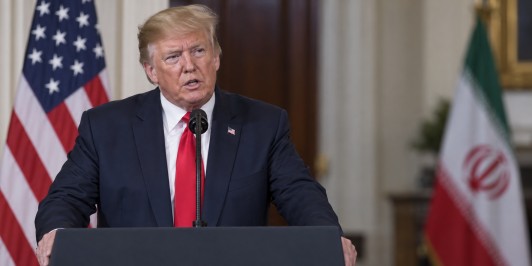
The ongoing tension between the United States and Iran continues to ripple across the globe, affecting regional security and energy supplies, as President Donald Trump highlighted the potential for either diplomacy or military action. In his address to the United Nations General Assembly in New York, Trump indicated that a deal with Iran might be possible post-U.S. midterm elections in November, but did not shy away from the prospect of further military measures if necessary.
During his 37-minute speech, Trump defended previous U.S. military actions against Iran, reiterating the American stance against allowing Tehran to develop nuclear weapons. He accused Iran of spurning opportunities for negotiation, which he claims has led to increased military tensions. The president also urged other nations to join in applying economic pressure on Iran, especially in light of disruptions to shipping through the vital Strait of Hormuz.
Trump’s remarks came at a time when the broader UN discussions were centered on ongoing Middle Eastern conflicts and global crises. He took the opportunity to criticize the International Criminal Court, urging countries to withdraw from the institution, asserting that the U.S. would resist any international legal actions involving its military personnel.
The president also touched on other regional issues, such as the ceasefire in Gaza and the reconstruction efforts there, framing these developments within the larger context of Middle Eastern stability. His speech underscored the complexities of international diplomacy, where military, economic, and humanitarian concerns are deeply intertwined.