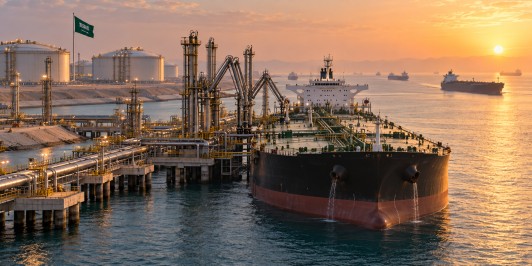
Saudi Arabia’s recent sale of nearly 100 million barrels of crude oil to Asian buyers is set to alleviate concerns over potential supply shortages in the region. The shipments, scheduled for delivery in October and November, are expected to reach refiners in China, India, Japan, and South Korea via the Strait of Hormuz.
This significant oil transaction comes at a critical time as Asian refiners grapple with tighter supplies and increased oil prices. Disruptions in Iranian oil flows and reduced purchases of Russian crude due to geopolitical tensions have exacerbated the situation. As a result, Saudi Arabia is stepping in to fill the gap, providing much-needed relief to the region’s refiners who have been contemplating production cuts.
The reliance on the Strait of Hormuz has increased following damage to Saudi Arabia’s East-West oil pipeline on September 10. The attack temporarily halted an alternative route to the Red Sea, forcing the kingdom to depend more heavily on the Strait. Restoration efforts are ongoing to bring the pipeline back to a significant portion of its original capacity.
For countries like China and India, which have been particularly affected by rising crude prices and limited supply options, Saudi Arabia’s increased oil shipments are crucial. They help stabilize the market and ensure that refiners can maintain production levels without facing crippling costs.
Additionally, the current market dynamics have heightened competition for crude oil from other regions, including Africa and Latin America. In response, Gulf producers are increasingly managing transportation and logistics to mitigate security risks associated with shipping routes.
Saudi Arabia’s strategic move to bolster its oil exports to Asia underscores the kingdom’s role in stabilizing global oil markets amid ongoing disruptions and geopolitical challenges. The increased supply is expected to provide some respite for Asian refiners navigating a complex and constrained global oil landscape.